

Analog photography is one of those hobbies that, the more you get into it, the more you realise it’s basically endless. There are just so many variables. So many subtle things to learn, adjust, tweak, get wrong, and agonise over. Film choice, camera, exposure, development, scanning — every step is integral, and every single step is another opportunity to completely fuck it.
I was reminded of this recently as I tried to get to grips with a roll of Harman Phoenix 200.
I shot my first roll of the stuff a couple of years ago. I didn’t think about it at all, just popped it into a point-and-shoot, snapped away, and because I was on holiday I did what I rarely do and sent it off to a lab. The scans came back unusable. Proper crunchy, weird colours, just total shit. I probably just exposed them all wrong but I wrote the film off and vowed never to load a camera with it again.


As it turns out, curiosity and some cheap expired rolls got the better of me recently.
When I actually took the time to read up on the film and see how other people were using it, I realised there were a few pretty key things I’d ignored. It really wants to be rated at 100 ISO, not 200. It’s very grainy. It has very little dynamic range. And crucially, because of how it’s made, it doesn’t have the usual orange mask on the negative. The negatives come out blue, which most lab scanners just aren’t built to deal with. So if you send it to a lab that doesn’t know what they’re doing, the scans are almost guaranteed to look like trash. Which is exactly what happened — nothing like paying too much for a job you could have done much better at home.
But herein lies the point I am vaguely trying to make. I called analog photography a hobby, but really it’s a craft. It demands a bit of care and attention, you can’t just half-arse it and expect magic to happen. It reminds me of something an old boss used to tell me: “take the time it takes, and it takes less time.”
If you know me, you’ll know that’s not really how I operate. I tend to go head first into things, get stuck in, and blunder my way through. Sometimes that works, but mostly it doesn’t. And film photography is very good at reminding me of that. It either forces you to do things properly, or it forces you to accept your mistakes — of which, in my case, there are many.
Over the past few years, as I’ve gone deeper into all of this, I’ve started to properly appreciate just how much there is to learn. Choosing the film, choosing the camera, deciding how to expose, how to develop, how to scan. Tiny, almost insignificant decisions that end up having a massive impact on the final image. Even things like the type of water you use to develop your film, or the light source you use when scanning. Really geeky stuff, but consequential when you are trying to achieve a certain result. It requires a level of attention that I don’t often dedicate to a lot of other things in my life.
I often think that from the outside, it can look so simple. Scroll Substack or Instagram and it’s easy to think that if you sell a kidney, buy a Leica M6, and load it up with Portra 400, you’ve got yourself a one-way ticket to bangersville. Unfortunately, it’s not quite that simple — especially if you don’t want to sell your other kidney and outsource all the developing and scanning to labs.
The fact that I don’t find all this stuff easy is a gift. It’s good to have things in your life that are difficult. Things where you have to keep failing, keep learning, keep fucking up. That’s what turns something from a hobby into a craft, into a passion.
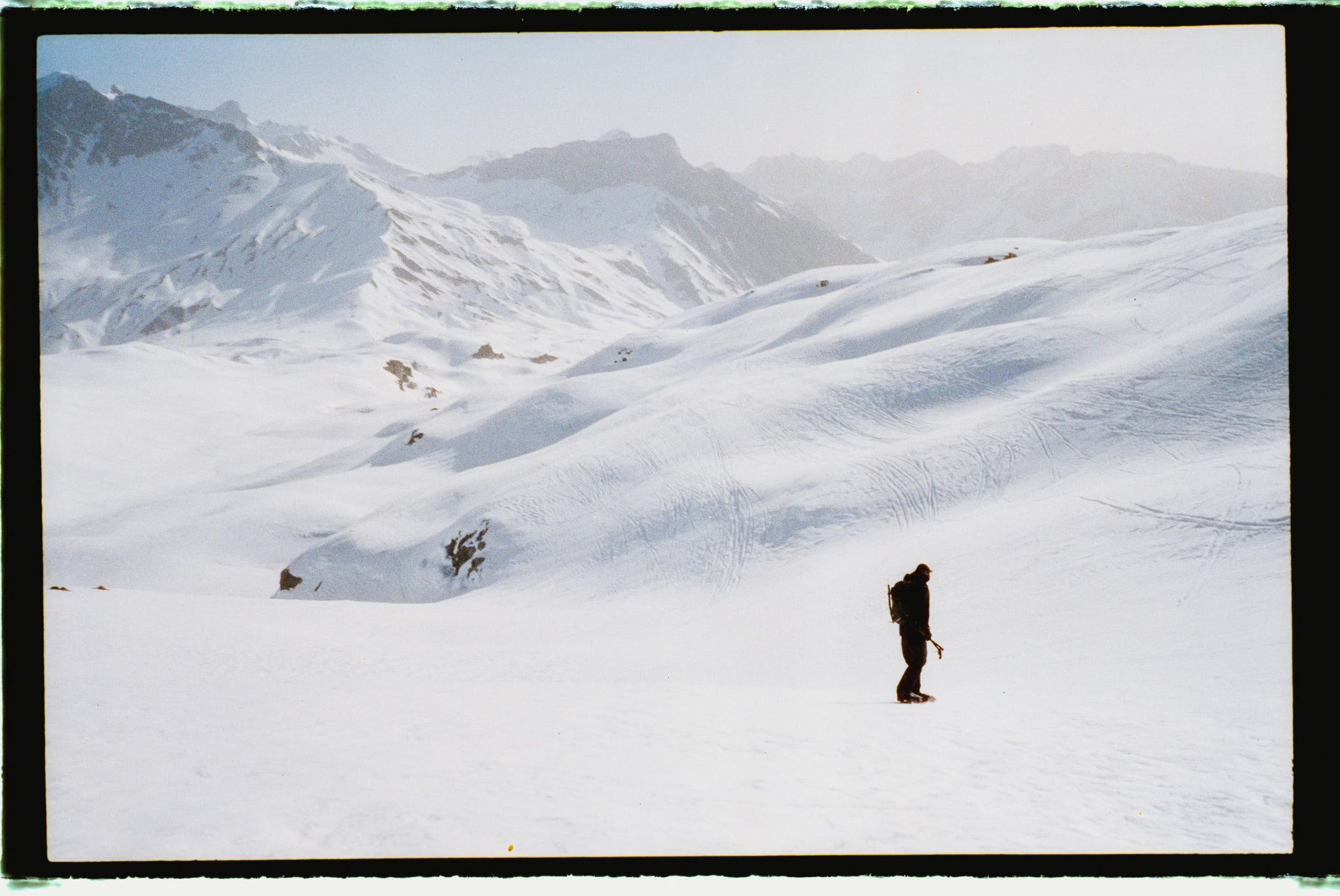
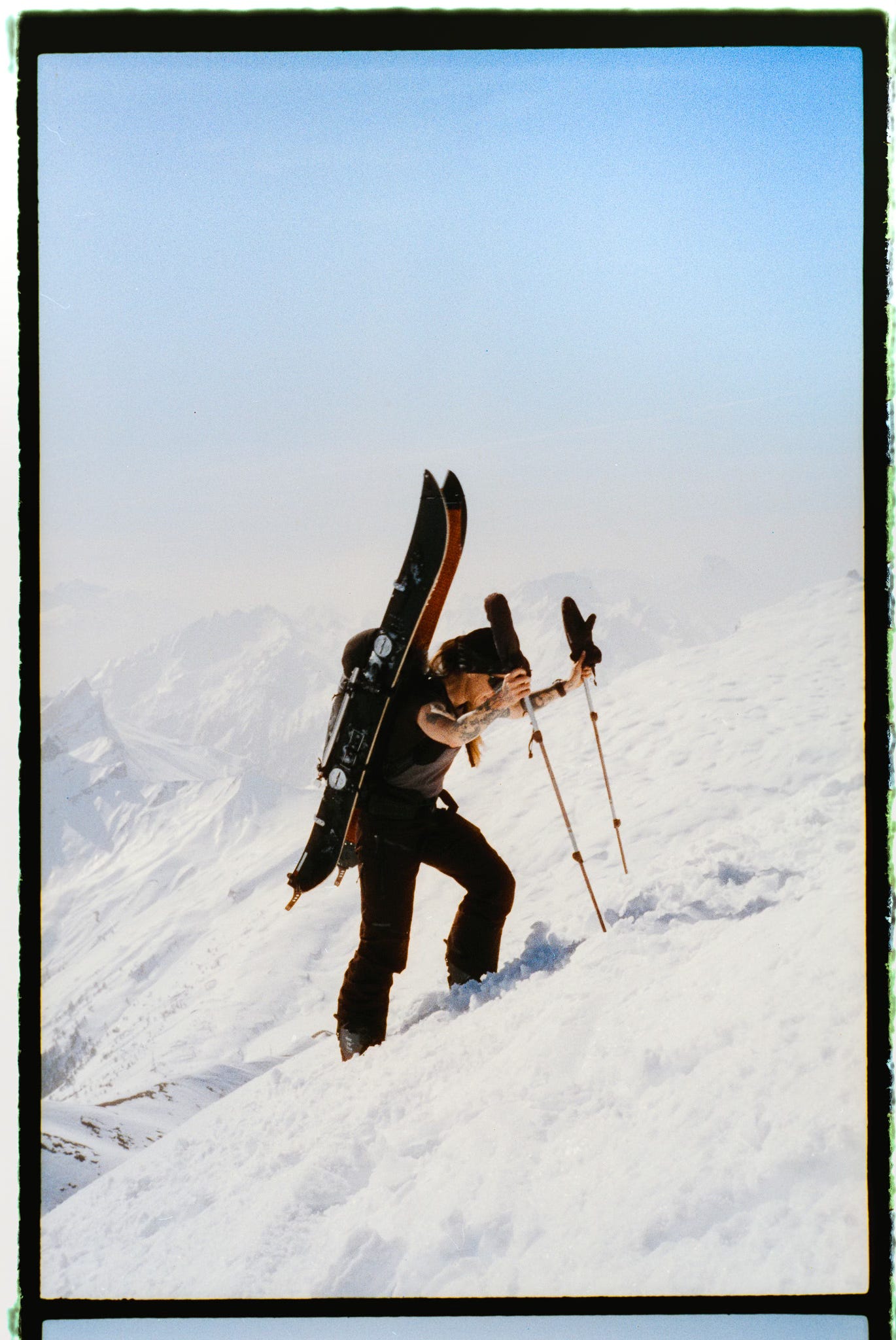
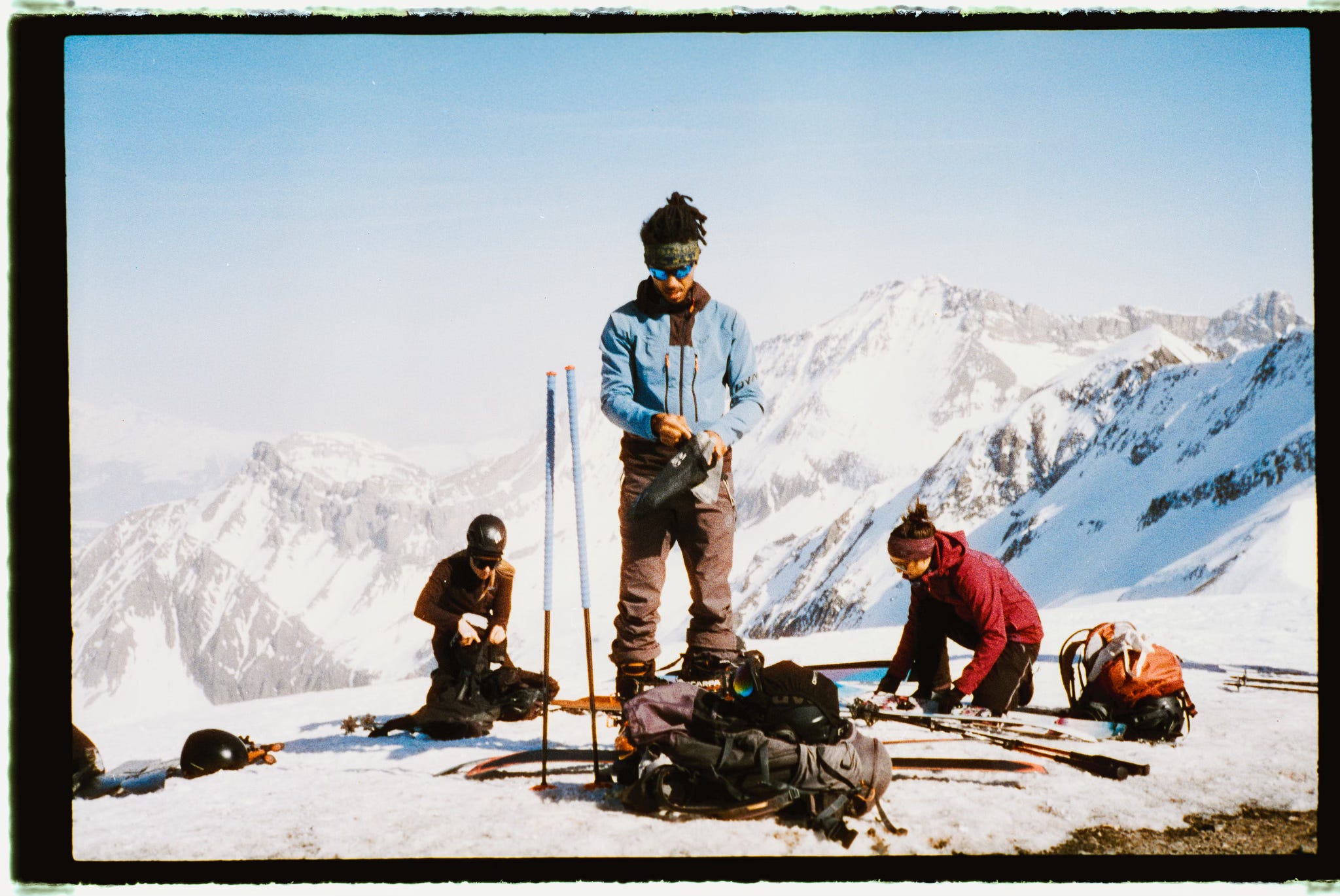
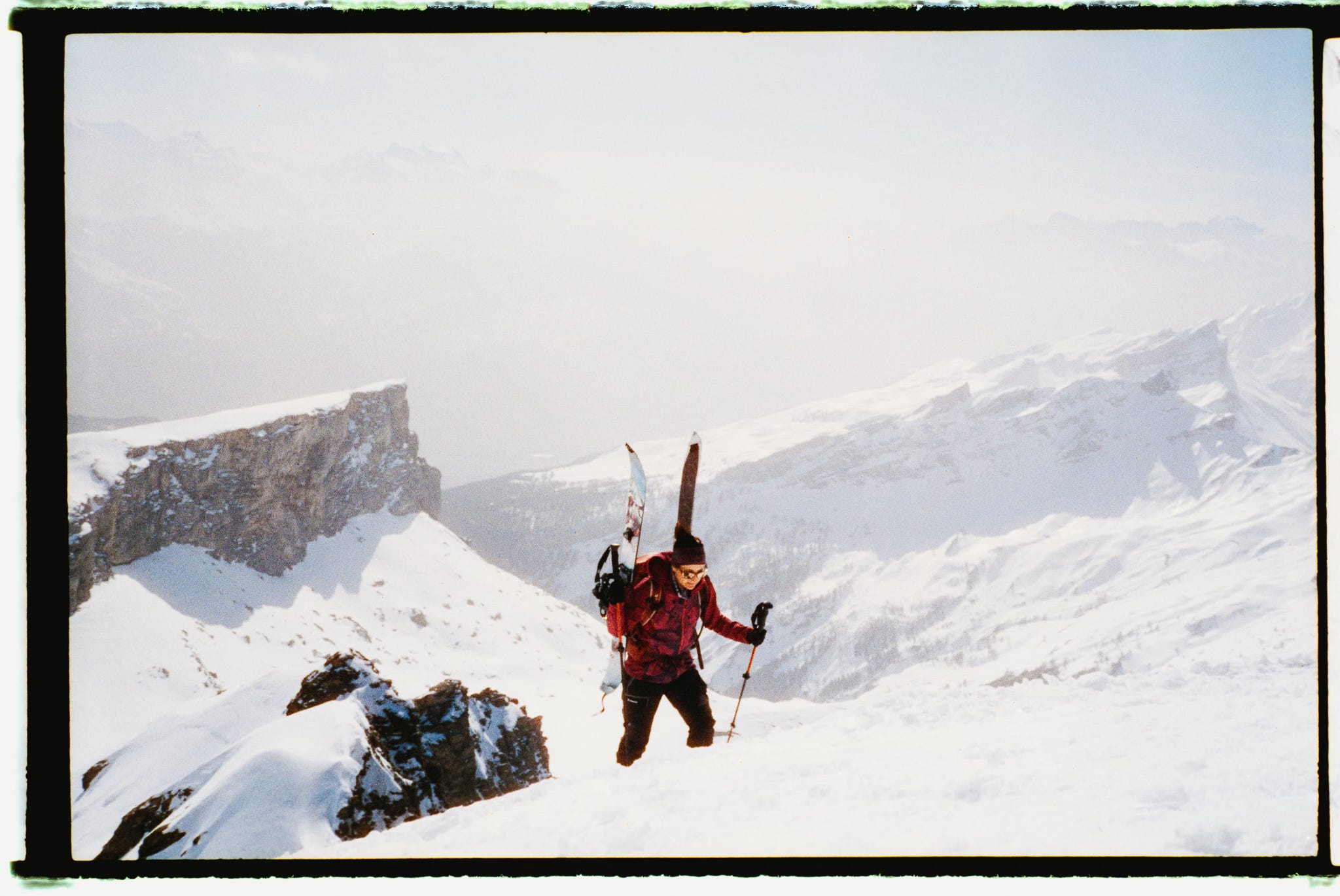
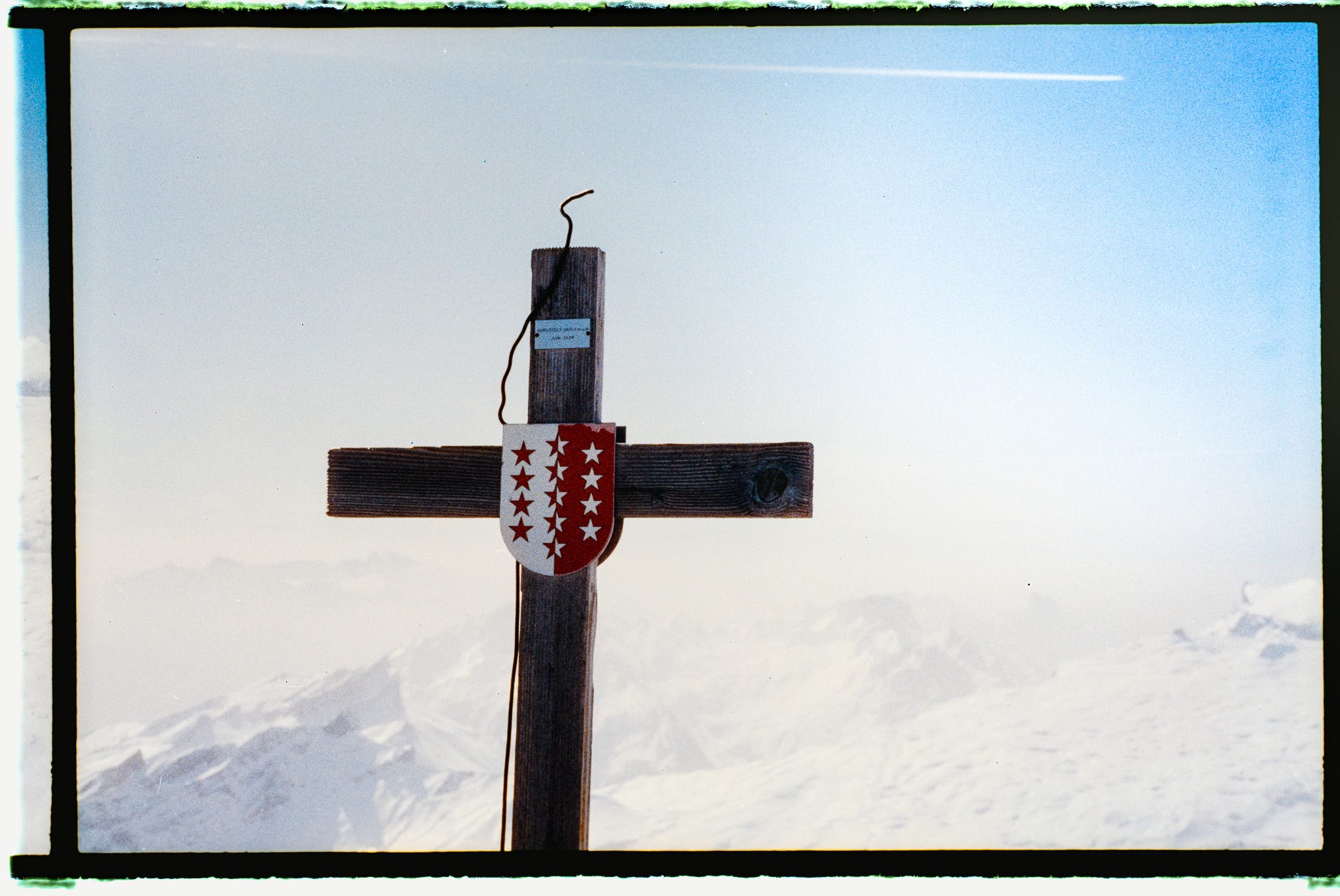
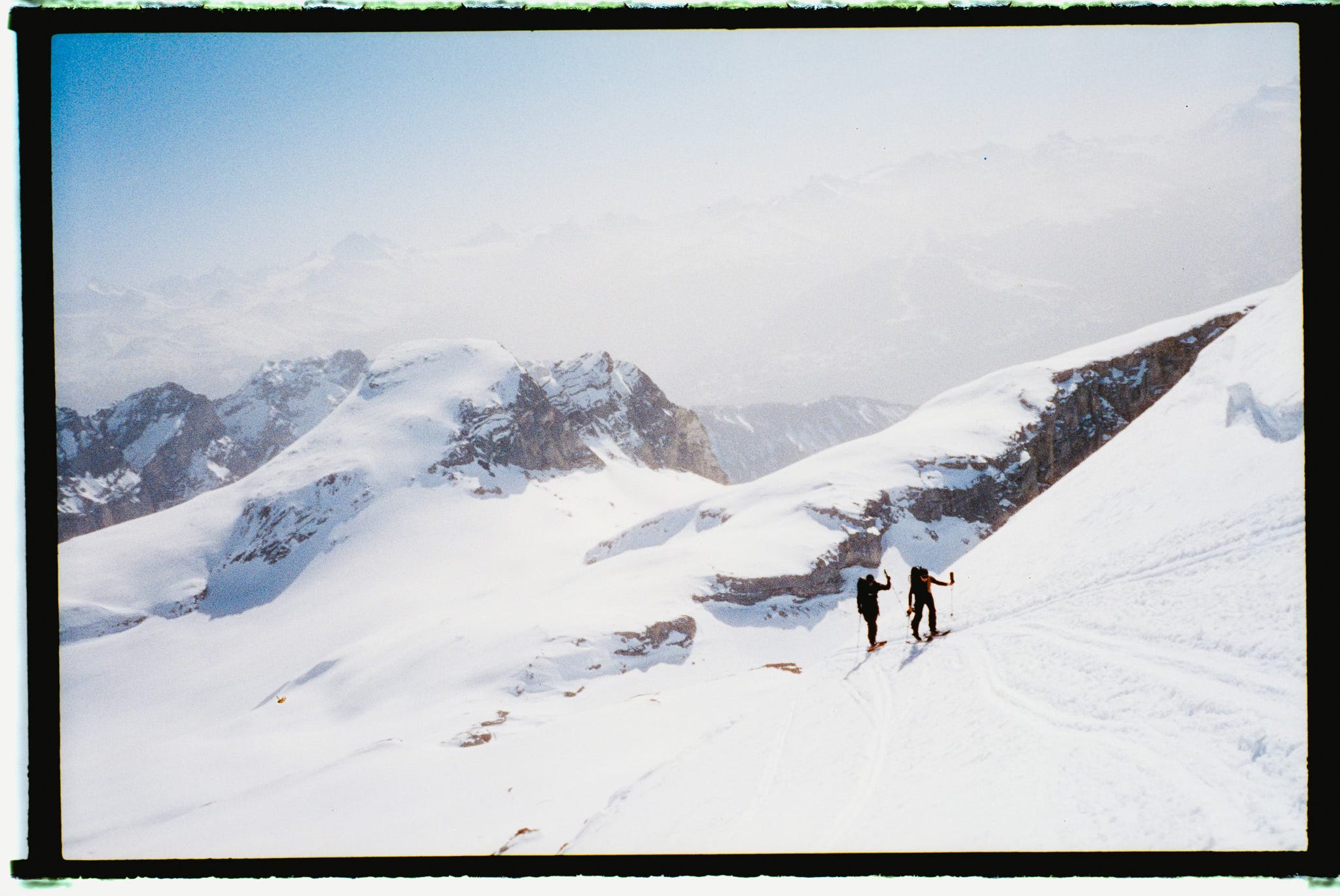
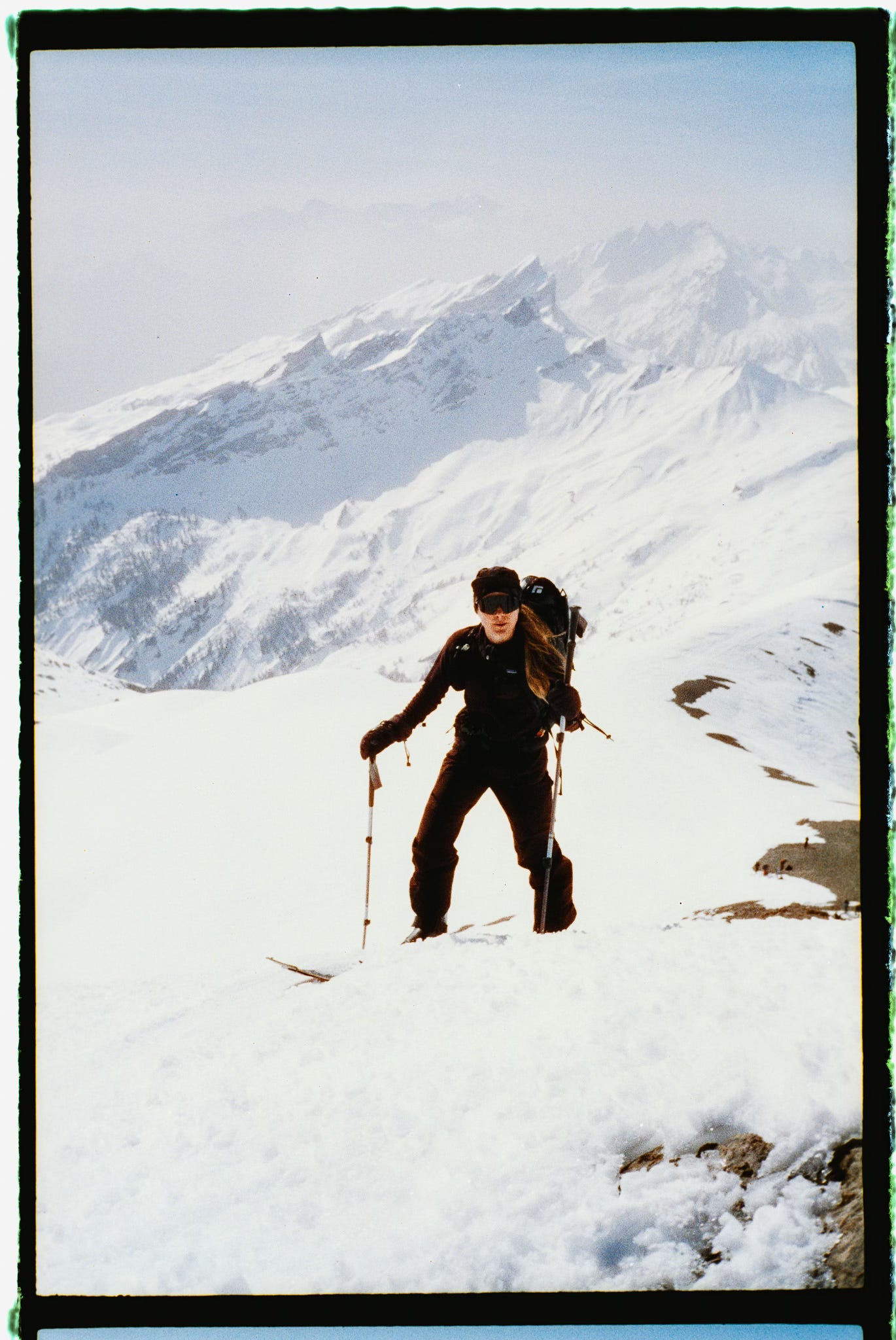
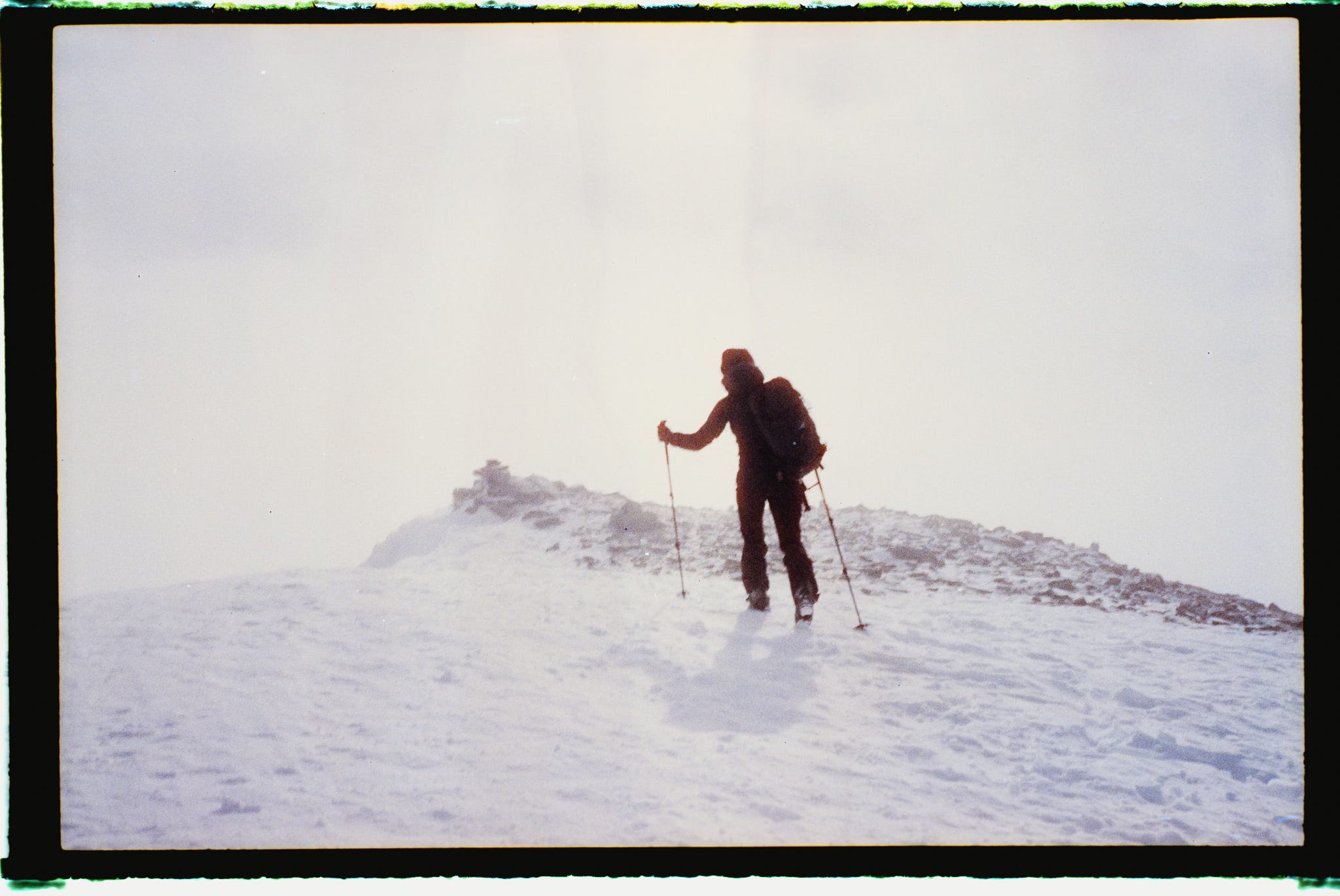
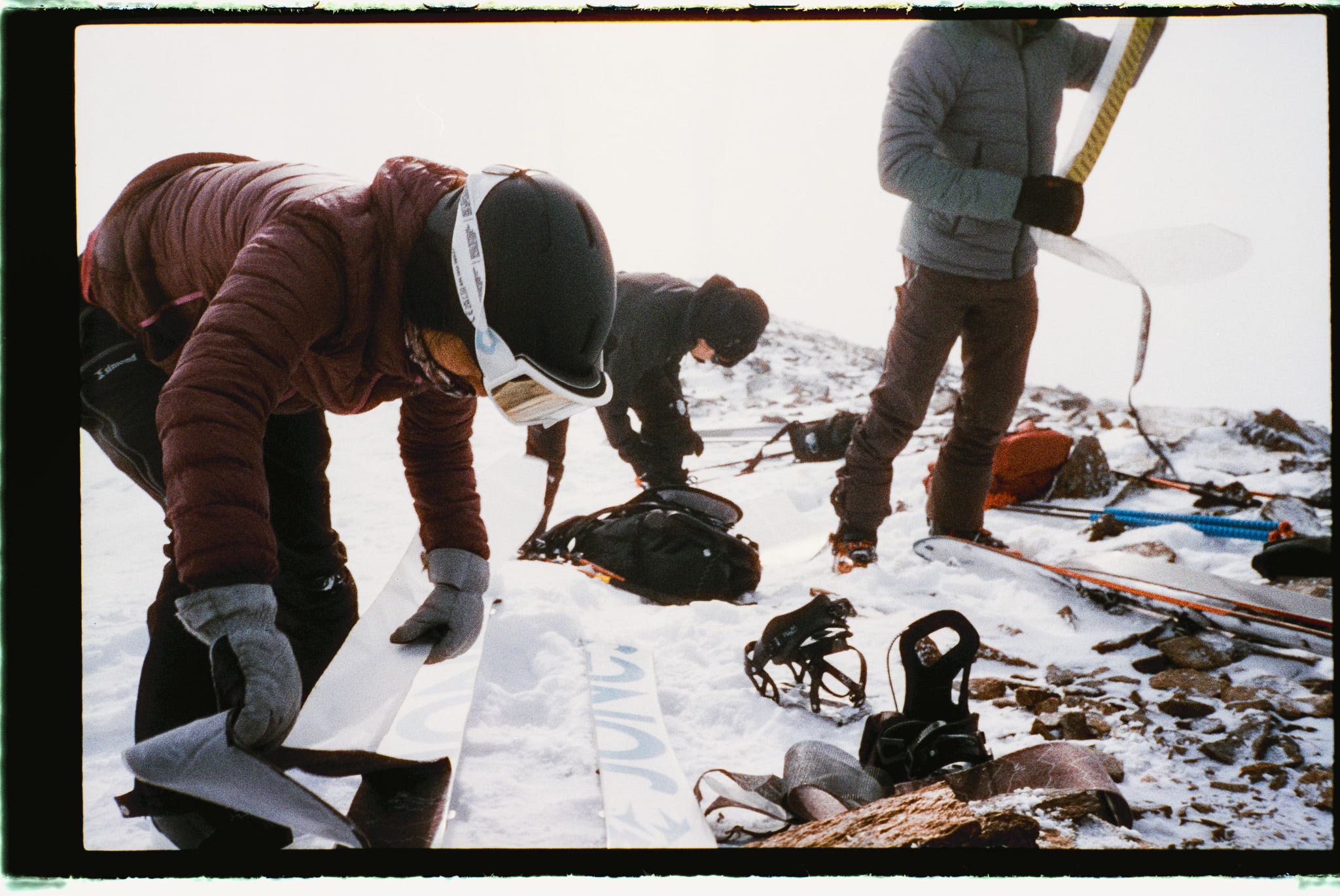
So, back to that expired roll of original Phoenix 200 that I picked up on the cheap. I took it into the mountains recently, loaded it into a little Rollei 35 SE, and tried to apply a few of the things I had learnt since I shot the first roll a few years ago. Some of the photos came out great, some of them are still pretty janky. I’m pretty sure there are still a few scanning tricks I’m missing, but it felt like progress nonetheless.
So if anything, for me, all of this is a great exercise in both radical acceptance and actually applying myself to something. I’ll keep learning, geeking, and tinkering in the knowledge that every photo I make is slightly better than the last in some small incremental way.
I hope you enjoy this small selection of my favourite images from that roll…
Incredible shots. Cameras aside, I've found the same tiny insignificant decisions in the darkroom make a world of difference in the final image. It's all a lot of fun to discover.
Especially difficult in bright snowy landscapes. Great work!